
Breathing Life Back into Middlemiss Street
On urban regeneration, community connection, and the quiet power of bringing nature back into forgotten spaces.
At Wyldwood Collective, our roots have always extended a little further than floristry.
When we first opened our doors, the vision was never simply to create a flower shop or a place for local artists and makers to share their work. We wanted to create something that contributed to the neighbourhood around us. Something that encouraged people to slow down, connect with their surroundings, and perhaps look a little differently at the spaces they pass through every day.
And sometimes, those spaces are the ones hiding in plain sight.

A Little Laneway with a Lot of Potential
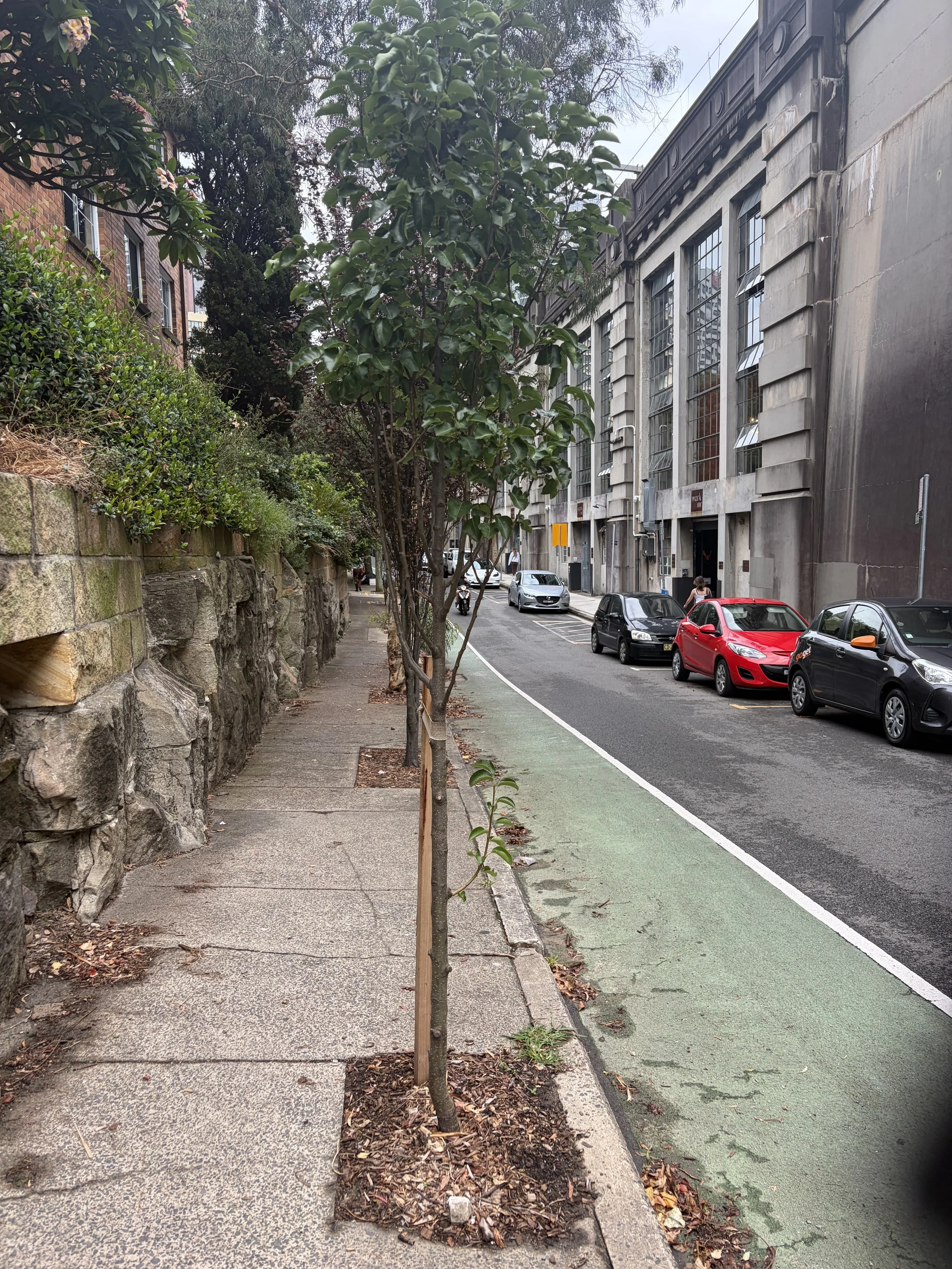
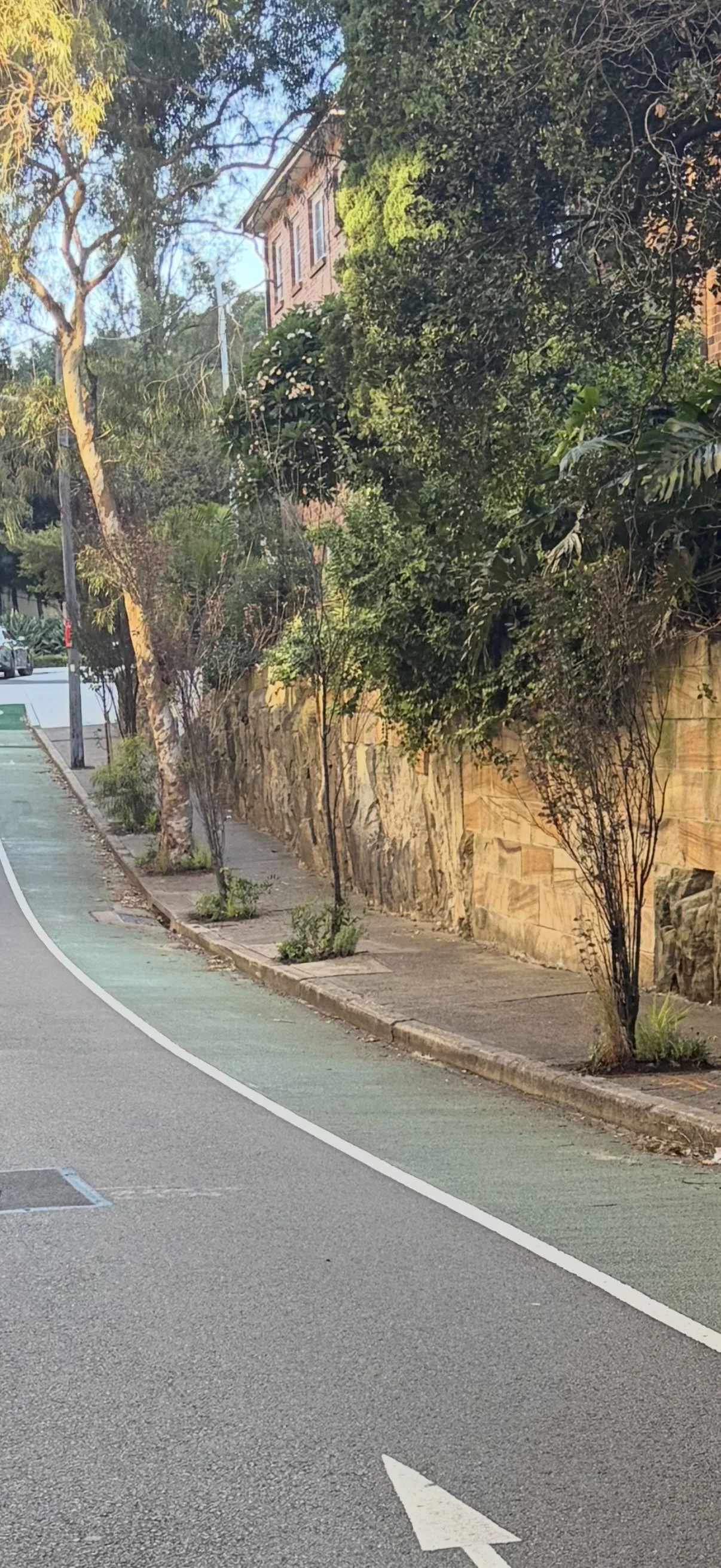
Tucked between the well-worn pedestrian paths of Milsons Point and the constant movement of the freeway, Middlemiss Street has long existed somewhere on the periphery.
It's a place people pass through on their way to somewhere else. A shortcut, a thoroughfare, a little pocket of urban landscape that doesn't always invite a second glance.
But we think there's something rather special about these overlooked places.
They hold the potential to become something more. Not necessarily through grand transformations or expensive developments, but through small, considered changes that encourage people to pause, notice, and feel connected to the environment around them.
Through our involvement with North Sydney Council's Streets Alive program and the Better Business Partnerships program, we're beginning to explore what that transformation might look like for Middlemiss Street.
And naturally, we're starting with plants.
Bringing the Garden Back to the Street
With plant stock generously supplied by North Sydney Council, we've been working to introduce greenery that feels at home in the surrounding landscape.
Our planting choices are guided by both practicality and a sense of place.
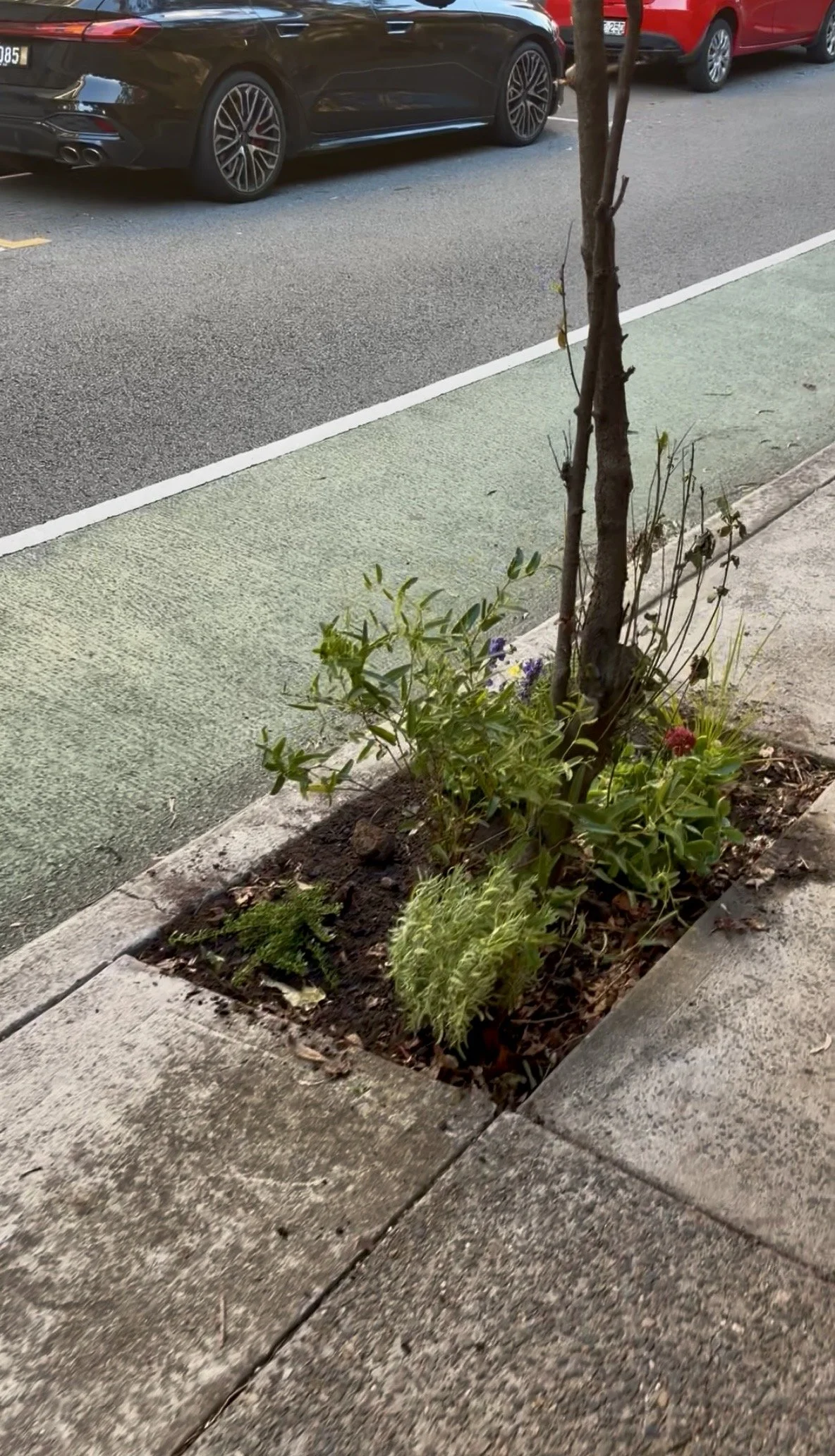
Australian natives suited to local growing conditions sit alongside hardy, traditional cottage garden varieties, drawing inspiration from the established gardens, leafy streets, and public green spaces of Milsons Point, Kirribilli, and Lavender Bay.
Rather than creating something overly manicured or uniform, the aim is to develop a layered, evolving garden that feels as though it belongs.
Different foliage, textures, flowering habits, and seasonal changes bring interest throughout the year, while resilient species help ensure the plantings can withstand the challenges of an urban environment.
Because a garden shouldn't just look beautiful on the day it's planted.
It should have the opportunity to grow, change, and become part of the landscape over time.
We want Middlemiss Street to offer something different with every visit. A new flower opening, a change in foliage, or perhaps a small insect making itself at home.
Little reminders that even in the middle of a busy city, nature is still very much present.
From Waste to Something Worthwhile
Sustainability has always been central to the way we approach our work at Wyldwood, and this project has provided another opportunity to explore what that looks like in practice.
Through the Better Business Partnerships program, Wyldwood Collective is now home to an Enrich 360 Eco 5, a system designed to process organic waste and significantly reduce its volume.
Floral offcuts from our daily work, alongside suitable fruit and vegetable scraps, eggshells, and coffee grounds from our neighbours at Bay Ten Espresso, can be processed into a dry, concentrated organic material in a matter of hours.
But reducing waste is only one part of the equation.
We're also exploring ways to give these byproducts a useful second life, identifying appropriate applications that align with NSW Environment Protection Authority (EPA) requirements and responsible environmental management practices.
While the resulting material cannot simply be returned to public garden beds, it presents an opportunity to think more carefully about resource recovery, the materials we discard, and how they might be put to better use through suitable, compliant pathways.
It's an evolving part of our sustainability journey, and one we're approaching with the same consideration we bring to our flowers, plants, and wider environmental practices.
Because for us, sustainability isn't about finding a quick solution or simply diverting something from the bin.
It's about understanding the resources we use, taking responsibility for what happens to them afterwards, and finding better ways to work within the environments we share.
Sometimes, that means learning that the most obvious solution isn't necessarily the most appropriate one. And sometimes, it means exploring a different approach altogether.
Why Urban Green Spaces Matter
It's easy to think of street gardens and urban plantings as decorative additions. Something to soften the concrete or make a space more visually appealing.
But their value extends well beyond aesthetics.
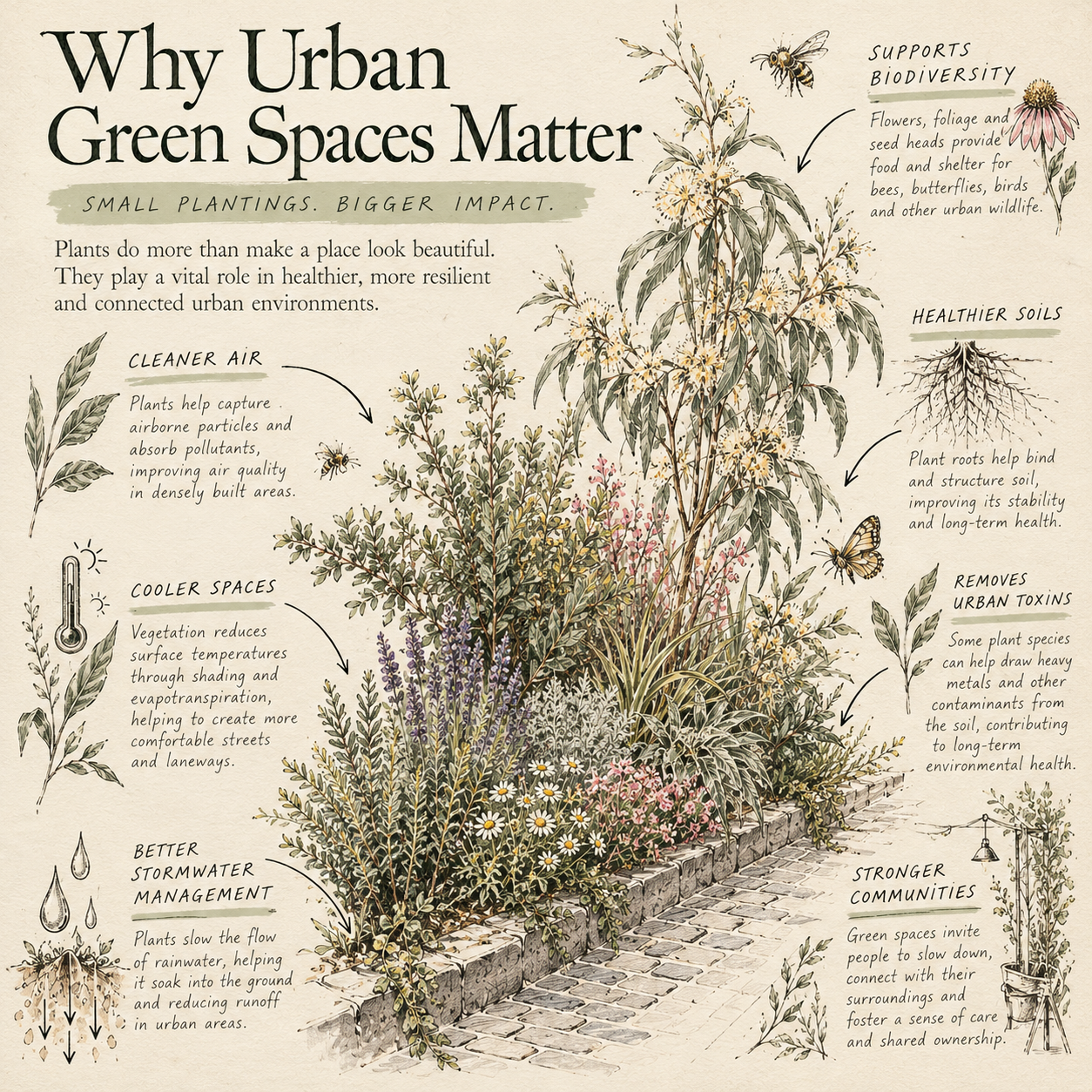
Plants play an important role in supporting healthier urban environments.
Their roots help bind and structure soil, while vegetation can reduce surface temperatures through shading and evapotranspiration. Depending on the species and conditions, urban greenery can also help capture airborne particles, manage rainwater, and provide food and shelter for insects and other small wildlife.
Even modest planting areas can contribute to a wider network of urban habitat, particularly when they include flowering species and plants suited to local conditions.
Healthy soils are equally important.
In heavily developed environments, soil is often compacted, depleted of organic matter, or exposed to conditions that make it difficult for plants to establish. Protecting and improving soil health is a gradual process, but one that supports the long-term resilience of the landscape.
For us, the priority is simple: create healthy growing conditions, support biodiversity where we can, and give the plants we introduce the best possible chance to thrive.
But there's another benefit to urban greenery that's a little harder to measure.
The way it makes a place feel.
Creating Space for Connection
There's something about plants that encourages people to slow down.
Perhaps it's the appearance of a new flower, the movement of foliage in the breeze, or the simple pleasure of seeing something green growing where there was once only concrete.
These moments might seem insignificant, but they can change the way we experience familiar places.
A laneway becomes somewhere worth stopping. A neglected corner becomes something people notice. A collection of plants becomes a garden that neighbours begin to recognise, appreciate, and care about.
And with that comes a sense of shared ownership.
We believe small businesses have an opportunity to contribute to their communities in ways that go beyond the products and services they provide.
For Wyldwood, that means thinking about the space outside our doors just as carefully as the one within them.
It means working with our neighbours, supporting local initiatives, and finding practical ways to make our little corner of Milsons Point a more welcoming place to be.
It also means recognising that meaningful change is rarely achieved alone.
The support of North Sydney Council, the Better Business Partnerships program, and our neighbours at Bay Ten Espresso demonstrates what can happen when different parts of a community contribute towards a common goal.
Each brings something different to the table, and together those contributions can create something far more valuable than any one of us could achieve independently.
Growing Something for the Future
We're under no illusion that a few garden beds will solve the environmental challenges facing our cities.
But we do believe that small, consistent actions matter.
A little more habitat for urban wildlife. A healthier, greener streetscape. More thoughtful approaches to the resources we use. A previously overlooked space becoming somewhere people enjoy spending time.
These are modest changes, but they're changes worth making.
And perhaps more importantly, they're changes that can grow.
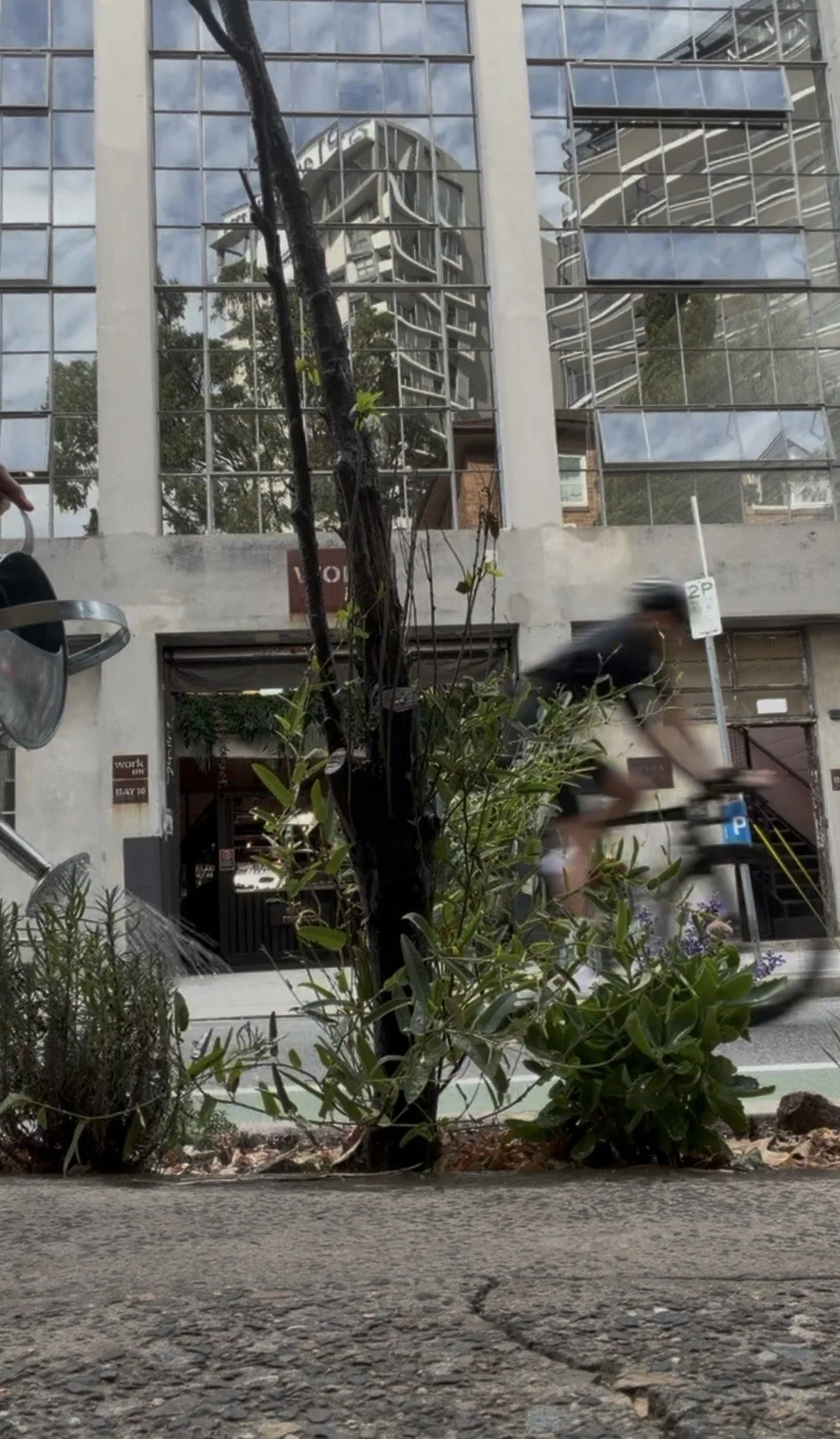
Our hope is that Middlemiss Street continues to evolve alongside the people and businesses that use it. That the plantings become established, the garden develops through the seasons, and the laneway takes on a character of its own.
We'd love for it to become a place where people feel comfortable pausing for a moment, appreciating their surroundings, and perhaps even getting their hands a little dirty.
Because at its heart, this project isn't simply about making Middlemiss Street more beautiful.
It's about demonstrating that even the smallest urban spaces deserve care, attention, and the opportunity to flourish.
And if we can leave this little patch of the world better than we found it, for the people passing through today and those who will discover it in years to come, then that's something worth growing.
Wyldwood Collective is an independent florist and creative space tucked into Middlemiss Street, Milsons Point. Rooted in seasonal flowers, local makers, and considered practices, we're always looking for ways to grow something good in our little corner of Sydney.